

Safeguarding and Consent in Beneficiary Storytelling
Learn how NGOs can approach safeguarding beneficiary storytelling with informed consent, privacy protection, ethical representation, and responsible communication practices.
By Video Force Team
Organizations increasingly rely on stories to demonstrate impact, engage supporters, and strengthen donor relationships.
However, effective storytelling must be balanced with ethical responsibility. Safeguarding beneficiary storytelling is essential for protecting the dignity, privacy, and well-being of the individuals whose stories are being shared.
By following strong safeguarding practices, organizations can create compelling narratives while maintaining trust and upholding professional standards.
Why Safeguarding Matters in Beneficiary Storytelling
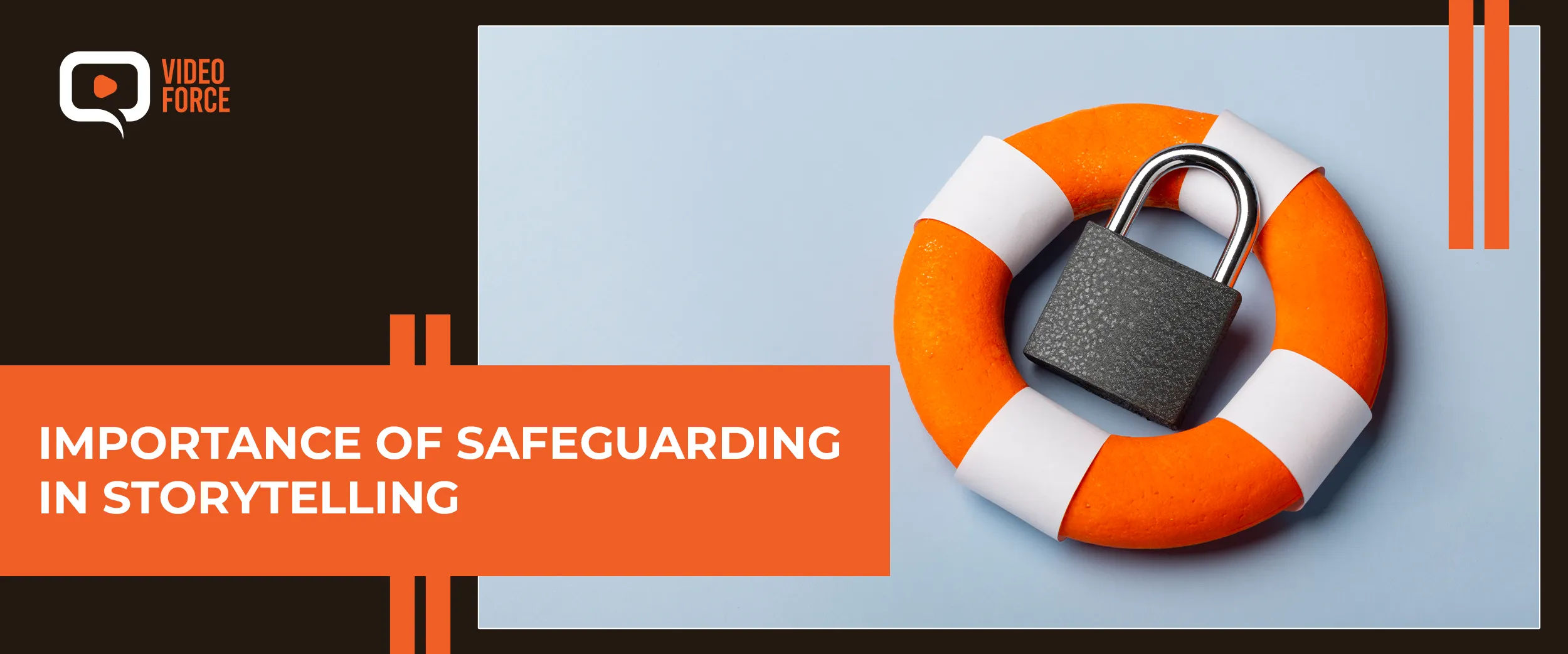
Safeguarding is a fundamental part of ethical communications. It ensures that beneficiaries are not exposed to harm, exploitation, or unwanted attention as a result of participating in storytelling activities.
Key reasons why safeguarding matters include:
Protecting beneficiary dignity: Stories should empower individuals rather than portray them in a way that undermines their self-worth.
Building trust with communities: Ethical practices help organizations maintain positive relationships with beneficiaries and local communities.
Reducing legal and reputational risks: Poor storytelling practices can lead to privacy concerns, complaints, and loss of stakeholder confidence.
Strengthening organizational credibility: Responsible storytelling demonstrates professionalism and commitment to ethical standards.
Strong safeguarding beneficiary storytelling practices help ensure that impact stories achieve their purpose without compromising the rights of those involved.
Understanding Consent in Beneficiary Storytelling
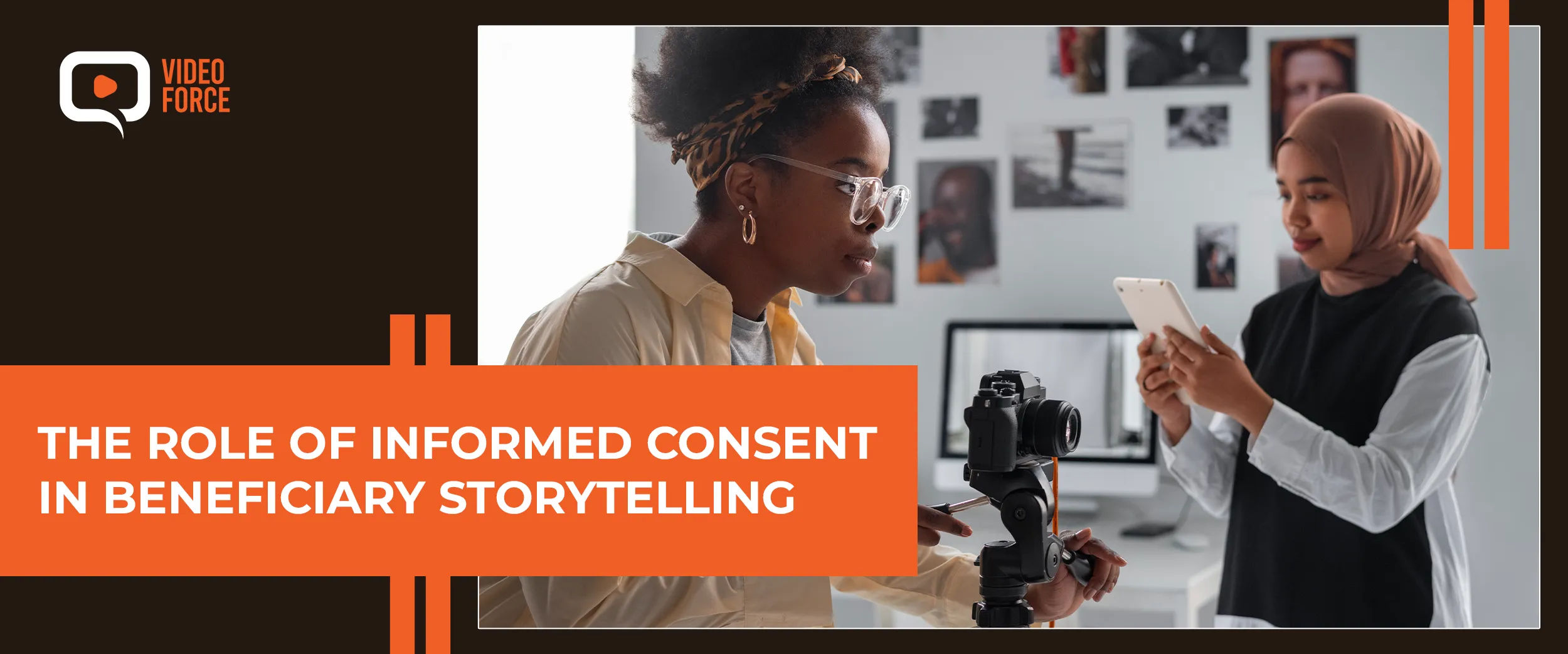
Obtaining consent is one of the most important aspects of safeguarding beneficiary storytelling. Beneficiaries should understand exactly how their stories, images, or videos will be used before agreeing to participate.
What Constitutes Informed Consent?
Informed consent means that an individual voluntarily agrees to participate after receiving clear information about the purpose, distribution channels, and potential audience of the content.
This includes explaining:
How the content will be used
Where it will be published
Who may view it
The duration of its use
When Consent Should Be Obtained
Consent should be secured before any interviews, photography, or filming takes place. This is particularly important when creating content involving children, vulnerable groups, or sensitive personal experiences.
Documenting and Managing Consent
Organizations should maintain clear records of signed consent forms and establish procedures for managing beneficiary video consent. Proper documentation helps protect both the beneficiary and the organization.
Best Practices for Ethical Beneficiary Storytelling
Ethical storytelling requires more than obtaining consent. Organizations must adopt responsible storytelling practices throughout the content creation process.
Respecting Privacy and Confidentiality
Beneficiaries may share sensitive information related to health, finances, personal history, or social circumstances. Organizations should carefully assess what information should remain private.
Avoiding Exploitation and Harm
Stories should focus on resilience, progress, and impact rather than sensationalizing hardship. This aligns with modern impact storytelling guidelines, which emphasize dignity-centered narratives.
Ensuring Accurate Representation
Beneficiaries should be represented fairly and truthfully. Editing content in a way that changes context or exaggerates circumstances can undermine trust and violate NGO communications ethics.
Common Safeguarding Risks in Storytelling
Organizations must be aware of several risks when producing beneficiary-focused content:
Sharing sensitive personal information without proper authorization
Failing to secure valid informed consent
Misrepresenting beneficiary experiences
Using stories beyond the agreed scope or timeframe
Ignoring beneficiary video consent requirements for filmed content
Creating unnecessary donor content risk through inaccurate or misleading storytelling
According to nonprofit communication studies, donors increasingly value transparency and ethical storytelling practices, making safeguarding an important factor in maintaining stakeholder trust.
How Organizations Can Strengthen Safeguarding Processes
Strong safeguarding frameworks help organizations consistently apply ethical standards.
Key actions include:
Developing clear safeguarding and storytelling policies
Training staff on NGO communications ethics
Establishing standardized consent procedures
Conducting regular reviews of storytelling practices
Implementing secure storage for consent records and beneficiary information
Following recognized impact storytelling guidelines across all content formats
Organizations that prioritize safeguarding beneficiary storytelling are better positioned to create authentic, impactful content while protecting the people at the center of their stories.
Conclusion
Beneficiary stories can be powerful tools for demonstrating impact, inspiring action, and strengthening donor relationships.
By prioritizing safeguarding beneficiary storytelling, organizations can share authentic stories while maintaining trust, dignity, and accountability.
For organizations seeking to create impactful, ethical storytelling content, Video Force offers the expertise and experience to bring stories to life responsibly.
Contact Video Force at +254701850850, email strategic@videoforce.co.ke, or visit us at The Westwood Office, 6th Floor 6A, Comply Guide Advisory, Westlands, Nairobi, Kenya.